
Descripción
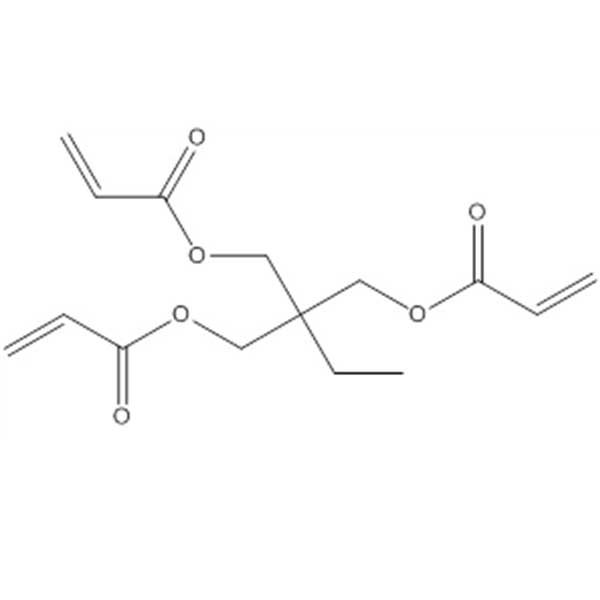
TMPTA Monómero/triacrilato de trimetilolpropano CAS 15625-89-5
Artículo |
Especificaciones |
Resultados |
Apariencia |
Líquido transparente amarillo claro |
Conforme |
Contenido sólido (% en peso) |
≥98,00% |
99,65% |
Valor de acidez (mgkoh/g) |
≤1.00 |
0.40 |
Viscosidad (cps25 grados) |
80~120 |
120 |
Color (Pt-Co) |
≤60 |
30 |
Conclusión |
Los resultados se ajustan a los estándares empresariales |
|
¿Qué es el monómero TMPTA?
1. TMPTA pertenece al acrilato de poliol, que es un monómero multifuncional importante con alta actividad. El éster ácido diluido de trimetilpropileno tiene un alto contenido de doble enlace molecular y una rápida velocidad de curado. Es un excelente agente reticulante y agente de curado. Debido al alto punto de ebullición del triacrilato de trimetilolpropano, no hay volatilización del disolvente durante el proceso de curado. No sólo es respetuoso con el medio ambiente, sino también con un gran ahorro de energía. Por lo tanto, se utiliza ampliamente en muchos campos, como recubrimientos, adhesivos, tintas, electrónica y caucho. La síntesis de triacrilato de trimetilpropileno es de gran importancia.
2. TMPTA es una variedad recientemente desarrollada en la serie de productos acrílicos y es un importante monómero funcional de acrilato trifuncional. Porque TMPTA tiene las características de alto contenido de dobles enlaces, velocidad de curado rápida, baja viscosidad, alto punto de ebullición, baja volatilidad, etc., se ha convertido en el diluyente reticulante reactivo acrílico multifuncional más utilizado y en la mayor cantidad en el campo del curado por radiación. En la actualidad, TMPTA se sintetiza principalmente mediante la esterificación directa de trimetilpropano (TM) P y ácido acrílico (AA) o la transesterificación de TMP con acrilato de metilo (MA). La mayoría de los catalizadores utilizados en este proceso son ácido sulfúrico o ácido p-toluenosulfónico. [‘Several due to equipment corrosion and complex processes such as neutralization and water washing during post-treatment, the product cost is relatively high. The author uses trimethylpropane and acrylic acid as raw materials, sulfuric acid as a catalyst, cyclohexane and toluene as a water-carrying agent, and a mixed system of hydroquinone and phenoin as a polymerization inhibitor to synthesize TMPTA, which has achieved good results.
3. TMPTA Monomer is a versatile monomer with a wide range of industrial applications as a crosslinker, reactive diluent and chemical intermediate.TMPTA Monomer is used in the production of UV-curable inks, electron beam irradiation-curable coatings, thermal papers, plastic hardeners, optical fibers, UV-curable acrylic varnishes for the furniture industry, polymers and resins; TMPTA Monomer is used as a component of photopolymers and flexographic printing plates and photoresists; and as a component of acrylic glues, adhesives and anaerobic sealants.
This product can replace 2,2-bis(acryloyloxymethyl)butyl acrylate; 2; ,2-bis(acryloyloxymethyl)butyl acrylate; trimethylolpropane triacrylate; 2-ethyl-2-[[(1-oxoallyl)oxy]diacrilato de metil]-1,3-propanodiilo; Ácido acrílico, triéster con 2-etil-2-(hidroximetil)-1,3-propanodiol; MFM; NK Éster A TMPT; Ogumont T 200; Saret 351; Sartomer SR 351; Setalux UV 2241; SR 351; Triacrilato de trimetilolpropano.
Características del producto
alto contenido de sólidos, baja viscosidad, bajo residuo de solvente, buen color, casi sin bajo contenido de polímero, baja humedad, bajo índice de acidez, bajo contenido de inhibidor de polimerización
Triacrilato de trimetilolpropano Uso
1. El monómero TMPTA (TRIACRILATO DE TRIMETILOLPROPANO) es un diluyente reactivo ampliamente utilizado en recubrimientos y tintas curables con luz ultravioleta (UV) y haz de electrones (EB).
2. El monómero TMPTA se puede utilizar como activador de vulcanización para cauchos especiales. Los cauchos especiales como el caucho para vigas de etileno propileno y el caucho EPDM, clorocaucho, caucho de silicona, poliuretano, copolímero de etileno/acetato de vinilo (EVA), elastómero de polietileno clorado (CPE), etc., son difíciles de vulcanizar, y el peróxido orgánico (como DCP, BPO) se vulcaniza. Si se utiliza un único peróxido orgánico para la vulcanización, el tiempo de vulcanización es demasiado largo y la vulcanización es insuficiente, y es difícil garantizar buenas propiedades mecánicas y físicas. Por lo tanto, se debe agregar TMPTMA como ayuda de vulcanización para lograr buenos resultados.
3. Por ejemplo, caucho fluorado orgánico, etc., cuando se usa DCP para vulcanización, si se usa el aditivo 1~4% TMPTMA como agente vulcanizante, no solo puede acortar en gran medida el tiempo de vulcanización, aumentar el grado de vulcanización, reducir la cantidad de DCP, sino también mejorar significativamente la resistencia mecánica, la resistencia al desgaste, la resistencia a los solventes y la resistencia a la corrosión, etc.
4. En el proceso de vulcanización del caucho que contiene flúor, el doble enlace en la molécula de TMPTMA no solo participa en la reacción de reticulación de vulcanización, sino que también actúa como un aceptor de haluro de hidrógeno (HF, HCL, etc.) para absorber el haluro de hidrógeno liberado durante el procesamiento, lo que no solo mejora la calidad de los productos, sino que también reduce en gran medida la corrosividad del caucho vulcanizado. El compuesto de caucho que contiene TMPTMA tiene un efecto plastificante durante la mezcla y un efecto endurecedor después de la vulcanización.
Triacrilato de trimetilolpropano Embalaje
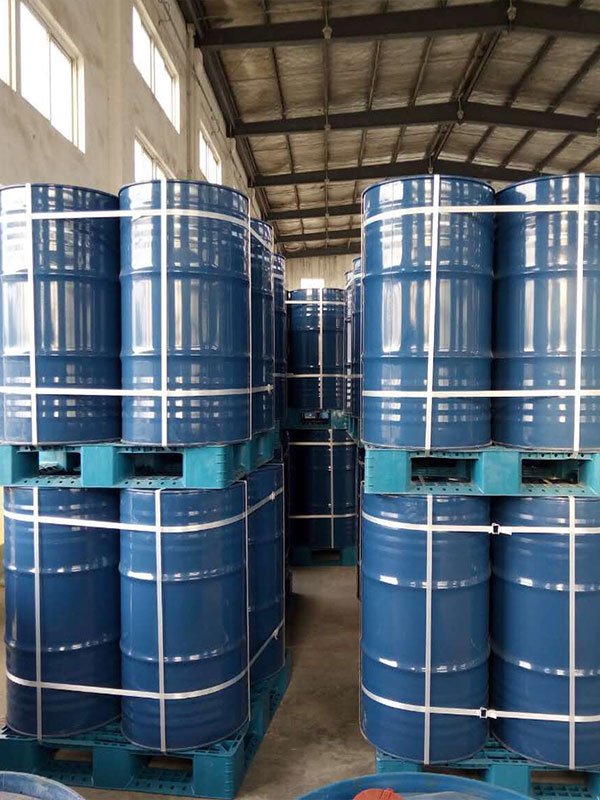
25kg; 200kgs/tambor.
Temperatura: 0 ℃ -30 ℃, el período de almacenamiento es de 12 meses.
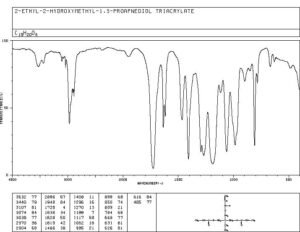
Atlas medido
¡Contáctenos ahora!
Si necesita precios y pruebas de muestra, complete su información de contacto en el siguiente formulario; generalmente nos comunicaremos con usted dentro de las 24 horas. También puede enviarme un correo electrónico info@longchangchemical.com durante el horario laboral (de 8:30 am a 6:00 pm UTC+8 de lunes a sábado) o utilizar el chat en vivo del sitio web para obtener una respuesta rápida.
| Politiol/Polimercaptano | ||
| CHLUMICRYL®DMES Monómero | Sulfuro de bis(2-mercaptoetilo) | 3570-55-6 |
| CHLUMICRYL® DMPT Monómero | TIOCURA DMPT | 131538-00-6 |
| CHLUMICRYL® Monómero PETMP | 7575-23-7 | |
| CHLUMICRYL® PM839 Monómero | Polioxi(metil-1,2-etanodiilo) | 72244-98-5 |
| Monómero monofuncional | ||
| CHLUMICRYL® HEMA Monómero | Metacrilato de 2-hidroxietilo | 868-77-9 |
| CHLUMICRYL® HPMA Monómero | Metacrilato de 2-hidroxipropilo | 27813-02-1 |
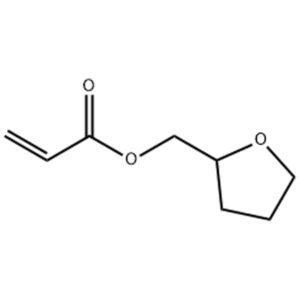
| CHLUMICRYL® Monómero de THFA | Acrilato de tetrahidrofurfurilo | 2399-48-6 |
| CHLUMICRYL® HDCPA Monómero | Acrilato de diciclopentenilo hidrogenado | 79637-74-4 |
| CHLUMICRYL® DCPMA Monómero | Metacrilato de dihidrodiciclopentadienilo | 30798-39-1 |
| CHLUMICRYL® DCPA Monómero | Acrilato de dihidrodiciclopentadienilo | 12542-30-2 |
| CHLUMICRYL® DCPEMA Monómero | Metacrilato de diciclopenteniloxietil | 68586-19-6 |
| CHLUMICRYL® DCPEOA Monómero | Acrilato de diciclopenteniloxietilo | 65983-31-5 |
| CHLUMICRYL® NP-4EA Monómero | (4) nonilfenol etoxilado | 50974-47-5 |
| LA Monómero | Acrilato de laurilo/acrilato de dodecilo | 2156-97-0 |
| CHLUMICRYL® Monómero THFMA | Metacrilato de tetrahidrofurfurilo | 2455-24-5 |
| CHLUMICRYL® Monómero de PHEA | 2-FENOXIETILACRILATE | 48145-04-6 |
| CHLUMICRYL® LMA Monómero | Metacrilato de laurilo | 142-90-5 |
| CHLUMICRYL® IDA Monómero | Acrilato de isodecilo | 1330-61-6 |
| CHLUMICRYL® IBOMA Monómero | Metacrilato de sobornilo | 7534-94-3 |
| CHLUMICRYL® Monómero IBOA | Acrilato de sobornilo | 5888-33-5 |
| CHLUMICRYL® EOEOEA Monómero | Acrilato de 2-(2-etoxietoxi)etilo | 7328-17-8 |
| Monómero multifuncional | ||
| CHLUMICRYL® Monómero DPHA | 29570-58-9 | |
| CHLUMICRYL® DI-TMPTA Monómero | DI(TRIMETILOLPROPANO) TETRAACRILATE | 94108-97-1 |
| Monómero de acrilamida | ||
| CHLUMICRYL® ACMO Monómero | 4-acriloilmorfolina | 5117-12-4 |
| Monómero difuncional | ||
| CHLUMICRYL® PEGDMA Monómero | Dimetacrilato de poli(etilenglicol) | 25852-47-5 |
| CHLUMICRYL® TPGDA Monómero | Diacrilato de tripropilenglicol | 42978-66-5 |
| CHLUMICRYL® TEGDMA Monómero | Dimetacrilato de trietilenglicol | 109-16-0 |
| CHLUMICRYL® PO2-NPGDA Monómero | Diacrilato de propoxilato de neopentilenglicol | 84170-74-1 |
| CHLUMICRYL® PEGDA Monómero | Diacrilato de polietilenglicol | 26570-48-9 |
| CHLUMICRYL® Monómero PDDA | Diacrilato de dietilenglicol ftalato | |
| CHLUMICRYL® Monómero NPGDA | Diacrilato de neopentilglicol | 2223-82-7 |
| CHLUMICRYL® HDDA Monómero | Diacrilato de hexametileno | 13048-33-4 |
| CHLUMICRYL® EO4-BPADA Monómero | 64401-02-1 | |
| CHLUMICRYL® EO10-BPADA Monómero | ETOXILADO (10) BISFENOL A DIACRILATE | 64401-02-1 |
| CHLUMICRYL® EGDMA Monómero | Edimetacrilato de etilenoglicol | 97-90-5 |
| CHLUMICRYL® DPGDA Monómero | Dienoato de dipropilenglicol | 57472-68-1 |
| CHLUMICRYL® Monómero Bis-GMA | Bisfenol A Glicidil Metacrilato | 1565-94-2 |
| Monómero trifuncional | ||
| CHLUMICRYL® TMPTMA Monómero | Trimetilolpropano trimetacrilato | 3290-92-4 |
| CHLUMICRYL® Monómero TMPTA | Triacrilato de trimetilolpropano | 15625-89-5 |
| CHLUMICRYL® Monómero PETA | 3524-68-3 | |
| CHLUMICRYL® GPTA (G3POTA) Monómero | TRIACRILATO DE GLICERILO PROPOXY | 52408-84-1 |
| CHLUMICRYL® EO3-TMPTA Monómero | Etriacrilato de trimetilolpropano etoxilado | 28961-43-5 |
| Monómero fotorresistente | ||
| CHLUMICRYL® IPAMA Monómero | Metacrilato de 2-isopropil-2-adamantilo | 297156-50-4 |
| CHLUMICRYL® Monómero ECPMA | 1-Metacrilato de etilciclopentilo | 266308-58-1 |
| CHLUMICRYL® Monómero ADAMA | 1-Metacrilato de adamantilo | 16887-36-8 |
| Monómero de metacrilato | ||
| CHLUMICRYL® TBAEMA Monómero | Metacrilato de 2-(terc-butilamino)etilo | 3775-90-4 |
| CHLUMICRYL® NBMA Monómero | Metacrilato de n-butilo | 97-88-1 |
| CHLUMICRYL® MEMA Monómero | Metacrilato de 2-metoxietilo | 6976-93-8 |
| CHLUMICRYL® i-BMA Monómero | Metacrilato de sobutilo | 97-86-9 |
| CHLUMICRYL® EHMA Monómero | 2-Metacrilato de etilhexilo | 688-84-6 |
| CHLUMICRYL® EGDMP Monómero | Etilenglicol Bis(3-mercaptopropionato) | 22504-50-3 |
| CHLUMICRYL® EEMA Monómero | 2-metilprop-2-enoato de 2-etoxietilo | 2370-63-0 |
| CHLUMICRYL® DMAEMA Monómero | N, metacrilato de M-dimetilaminoetilo | 2867-47-2 |
| CHLUMICRYL® DEAM Monómero | Metacrilato de dietilaminoetilo | 105-16-8 |
| CHLUMICRYL® Monómero CHMA | Metacrilato de ciclohexilo | 101-43-9 |
| CHLUMICRYL® BZMA Monómero | Metacrilato de bencilo | 2495-37-6 |
| CHLUMICRYL® BDDMP Monómero | Di(3-mercaptopropionato) de 1,4-butanodiol | 92140-97-1 |
| CHLUMICRYL® BDDMA Monómero | 1,4-butanodioldimetacrilato | 2082-81-7 |
| CHLUMICRYL® AMA Monómero | Metacrilato de alilo | 96-05-9 |
| CHLUMICRYL® AAEM Monómero | Metacrilato de acetilacetoxietilo | 21282-97-3 |
| Monómero de acrilatos | ||
| CHLUMICRYL® IBA Monómero | Acrilato de sobutilo | 106-63-8 |
| CHLUMICRYL® EMA Monómero | Emetacrilato de etilo | 97-63-2 |
| CHLUMICRYL® DMAEA Monómero | Acrilato de dimetilaminoetilo | 2439-35-2 |
| CHLUMICRYL® DEAEA Monómero | Prop-2-enoato de 2-(dietilamino)etilo | 2426-54-2 |
| CHLUMICRYL® CHA Monómero | prop-2-enoato de ciclohexilo | 3066-71-5 |
| CHLUMICRYL® BZA Monómero | prop-2-enoato de bencilo | 2495-35-4 |
| Otro monómero | ||
| CHLUMICRYL® MCPMA Monómero | Metacrilato de 1-metilciclopentilo | 178889-45-7 |
| CHLUMICRYL® TMPMP Monómero | Trimetilolpropano Tris(3-mercaptopropionato) | 33007-83-9 |
| CHLUMICRYL® CTFA Monómero | Acrilato formal de trimetilopropano cíclico | 66492-51-1 |
| CHLUMICRYL® HPHPDA Monómero | 30145-51-8 | |
| CHLUMICRYL® Monómero MPEG | 26915-72-0 | |
Recursos relacionados
- monomeros y resinas UV
- ¿Cómo reducir la contracción del pegamento UV? ¿Cuáles son los métodos?
- ¿Qué es un esmalte de uñas que cumpla las normas de la UE para uso personal?
- ¿Qué es un esmalte de uñas que cumple con las normas de la UE para uso personal?
- Comprender el metacrilato de metilo desde la perspectiva del proceso de producción



Vanessa madriaga –
Thanks for the very successful cooperation, especially in the case of recent product supply problems, longchang chemcial can still deliver within the specified time.
info@longchangchemical.com –
Thanks for your comment, looking forward to the next cooperation.